Wiki
-
Length
6:51
"Hallelujah" is a song by Canadian singer-songwriter Leonard Cohen originally released on his 1984 studio album Various Positions. "Hallelujah" has been covered more than 120 times (counting only recorded, not live, versions) and featured in the soundtracks of numerous movies and television shows.
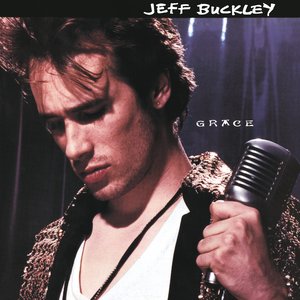
American singer-songwriter Jeff Buckley recorded one of the best-known covers of "Hallelujah" for his 1994 studio album, Grace. Buckley, not wholly satisfied with any one take, recorded the song more than twenty times. Grammy Award-winning music studio engineer Andy Wallace took three of these recordings to create a single track. The result is a sparse-sounding production of vocals and electric guitar, influenced by John Cale's version.
In 2004, Jeff Buckley's version was ranked #259 on Rolling Stone's "The 500 Greatest Songs of All Time". In September 2007, a poll of fifty songwriters conducted by Q Magazine listed "Hallelujah" among the all-time "Top 10 Greatest Tracks" with John Legend calling Buckley's version "as near perfect as you can get". Buckley's first #1 came posthumously in March 2008 when "Hallelujah" topped Billboard's Hot Digital Songs following a performance of the song by Jason Castro on American Idol.
Track descriptions on Last.fm are editable by everyone. Feel free to contribute!
All user-contributed text on this page is available under the Creative Commons Attribution-ShareAlike License; additional terms may apply.